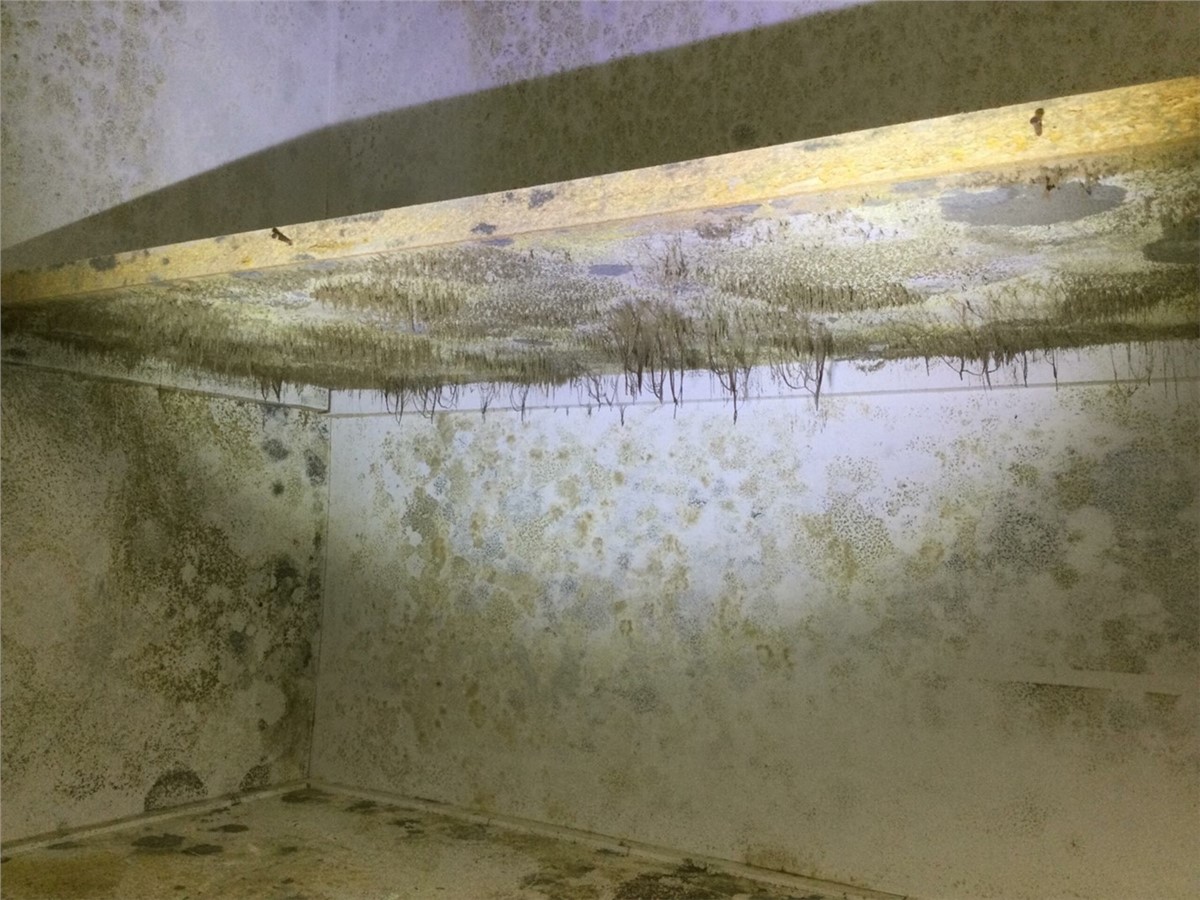
If you live in East Tennessee, there’s a good chance you’ve either dealt with mold already — or eventually will.
As a home services professional working throughout Cumberland County, Putnam County, and the surrounding areas, I can confidently say this:
Mold isn’t a sign of a dirty home — it’s usually a sign of a moisture problem.
In this article, we’ll explain why mold is so prevalent in East Tennessee homes, the common places it hides, and what you can do to prevent it before it becomes a costly issue.
East Tennessee’s Climate Is Ideal for Mold Growth
Mold requires three things to grow:
- Moisture
- Organic material (such as wood, drywall, or dust)
- Time
Unfortunately, East Tennessee provides all three — often year-round.
High Humidity
Our region frequently experiences elevated humidity, especially during spring and summer. That moisture doesn’t stay outside — it seeps into crawlspaces, basements, walls, and HVAC systems.
Temperature Swings
Warm days followed by cool nights lead to condensation on:
- Pipes
- Ductwork
- Subflooring
- Concrete surfaces
Condensation creates the moisture mold needs to thrive.
Crawlspaces: The #1 Mold Source
If your home has a crawlspace, this is the most common source of mold we find.
Why Crawlspaces Are Vulnerable
- Vented crawlspaces pull in humid air
- Moisture rises from exposed soil
- Poor drainage leads to water intrusion
- Wood framing and other organic materials are exposed
Once mold begins in a crawlspace, spores can travel into the living areas above through air movement.
How to Prevent Crawlspace Mold
- Ensure proper drainage away from your foundation
- Install vapor barriers or consider full crawlspace encapsulation
- Use crawlspace-rated dehumidifiers
- Schedule annual inspections
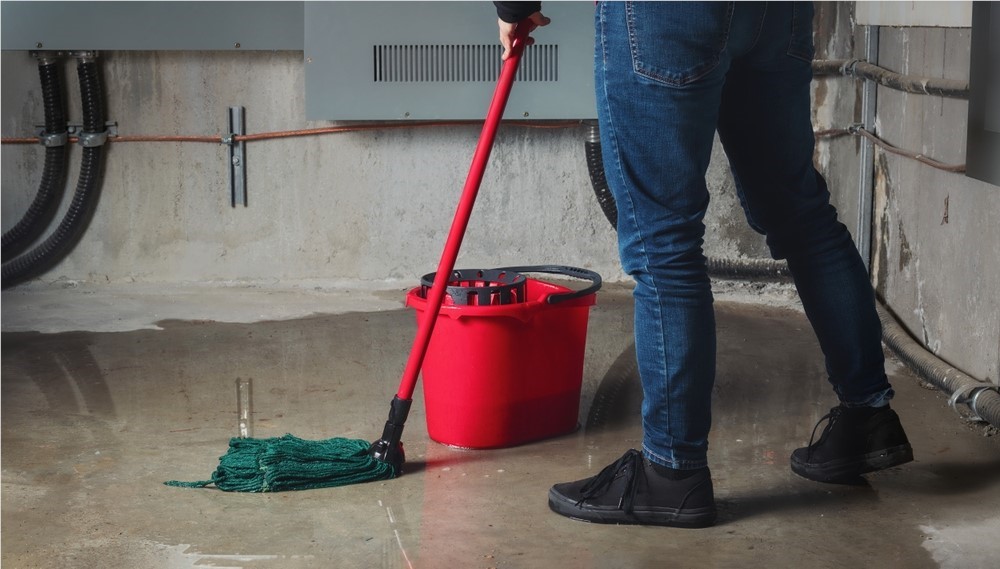
When Water Damage Isn’t Dried Properly
A common misconception among homeowners is: “It dried on its own, so it must be fine.”
The reality is:
- Wet materials can appear dry while retaining hidden moisture
- Moisture trapped behind walls or under flooring invites mold
- Mold can begin forming within 24–48 hours
Quick, professional drying is essential after any water-related incident. The sooner it’s addressed, the more materials — like carpet, hardwood, and drywall — can potentially be saved. Water damage is serious and should be dealt with immediately!
High-Moisture Rooms: Bathrooms, Kitchens & Laundry Areas
Any room that regularly uses water is a potential mold hotspot. Common areas to watch include:
- Bathroom ceilings and exhaust fans
- Under sinks
- Surrounding tubs and showers
- Behind washing machines
In most cases, poor ventilation is the root cause.
Moisture Control Tips
- Use exhaust fans during and after showers
- Repair slow leaks promptly
- Pay attention to musty odors — they’re early warning signs
HVAC Systems and Ductwork
Your HVAC system plays a major role in moisture control — or mold spread. Mold is commonly found:
- Inside air handlers
- On evaporator coils
- In poorly insulated or leaky ductwork
When moisture builds up, spores can circulate throughout the home.
Prevention Tips
- Schedule annual HVAC maintenance
- Keep condensate lines clean
- Ensure systems are properly sized
- Use whole-home or crawlspace dehumidifiers
Why Mold Often Goes Unnoticed
Mold often remains hidden in places like:
- Behind walls
- Under flooring
- In crawlspaces
- Inside HVAC systems
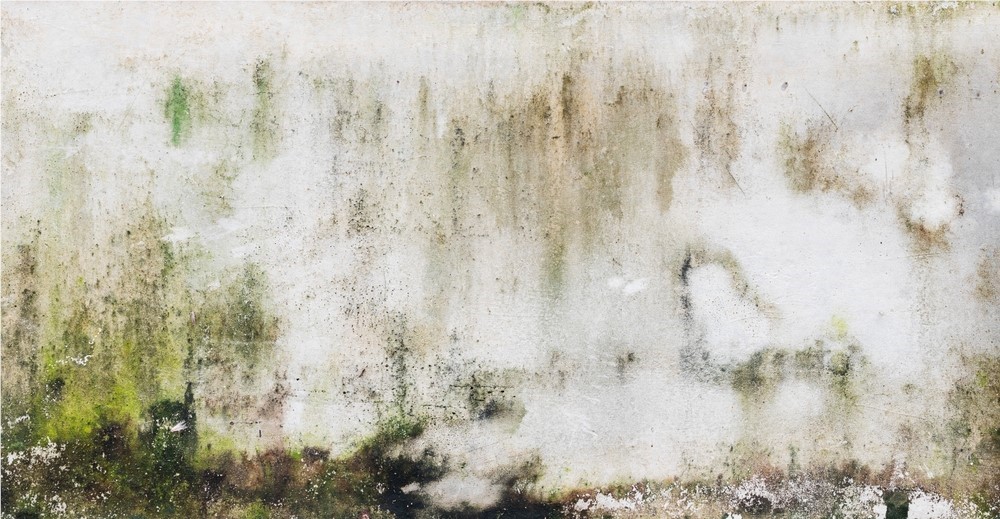
By the time visible mold appears, the problem is usually well-established — making early inspections all the more important.
Mold, Insurance, and the Importance of Prevention
Many homeowners are surprised to learn that mold is rarely covered by insurance — especially when it results from long-term moisture or neglect.
With rising insurance deductibles, prevention and early detection are far more affordable than cleanup and restoration.
We also recommend reading our blog on the cost of water damage and when insurance may apply, especially if your home has had prior leaks or moisture issues.
Annual Home Inspections: A Simple Way to Prevent Mold
One of the most effective tools for mold prevention is a yearly inspection. For around $100, our team can:
- Identify potential moisture concerns
- Check crawlspaces, plumbing, and other high-risk areas
- Provide a list of recommended repairs or areas to monitor
Catching mold early can save thousands in future repairs.
Why Professional Mold Remediation Matters
DIY mold cleaning might remove what you can see — but it doesn’t resolve:
- Moisture sources
- Hidden growth
- Airborne spores
- Containment of the affected area
Professional mold remediation follows industry standards, addresses root causes, and protects both your property and health.
When to Contact Us
- If you see mold, notice musty odors, or have moisture problems
- If you’ve experienced past water damage
- If you want a routine inspection for peace of mind
Call or fill out a form today to request a free quote!
Subscribe to Innovative Home Services's Blog



Comments