
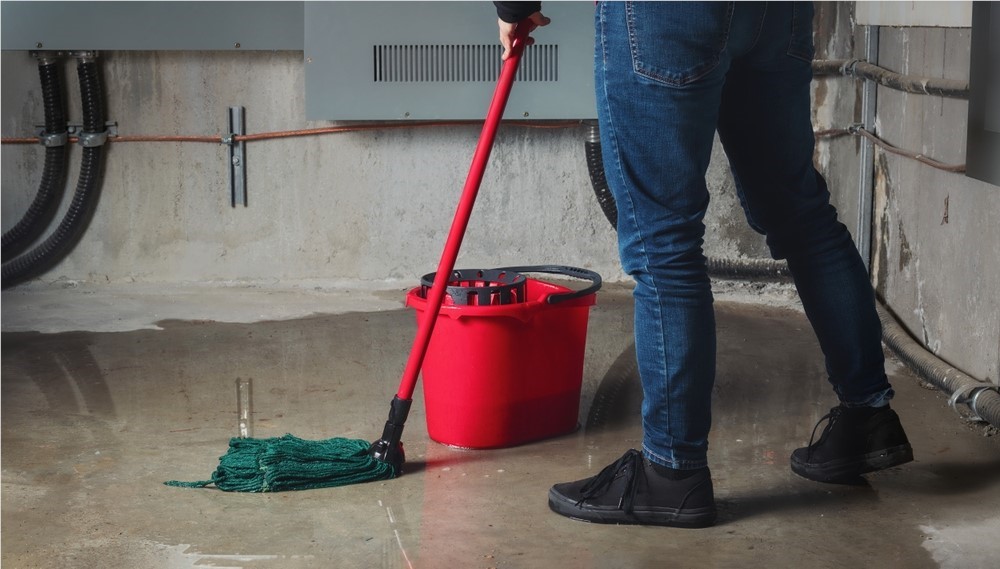
If you discover mold in your home, the first reaction many homeowners have is simple: clean it up as quickly as possible and move on.
Unfortunately, that approach can often make the situation worse.
Over the years working with homeowners throughout Crossville, Cookeville, Sparta, Livingston, Knoxville, and the surrounding counties of Cumberland, Putnam, White, Fentress, Overton, Pickett, Jackson, and Roane, I’ve seen many well-meaning DIY efforts turn a small mold issue into a much bigger contamination problem.
One of the most important steps homeowners often overlook is testing for mold before and after remediation. Proper testing helps determine how serious the issue really is, what type of mold may be present, and whether the cleanup was truly successful.
Let’s walk through why mold testing matters — both before remediation begins and after the cleanup is complete.
Why Mold Testing Before Remediation Matters
Many homeowners assume that if they see mold, they already know the problem.
But visible mold only tells part of the story.
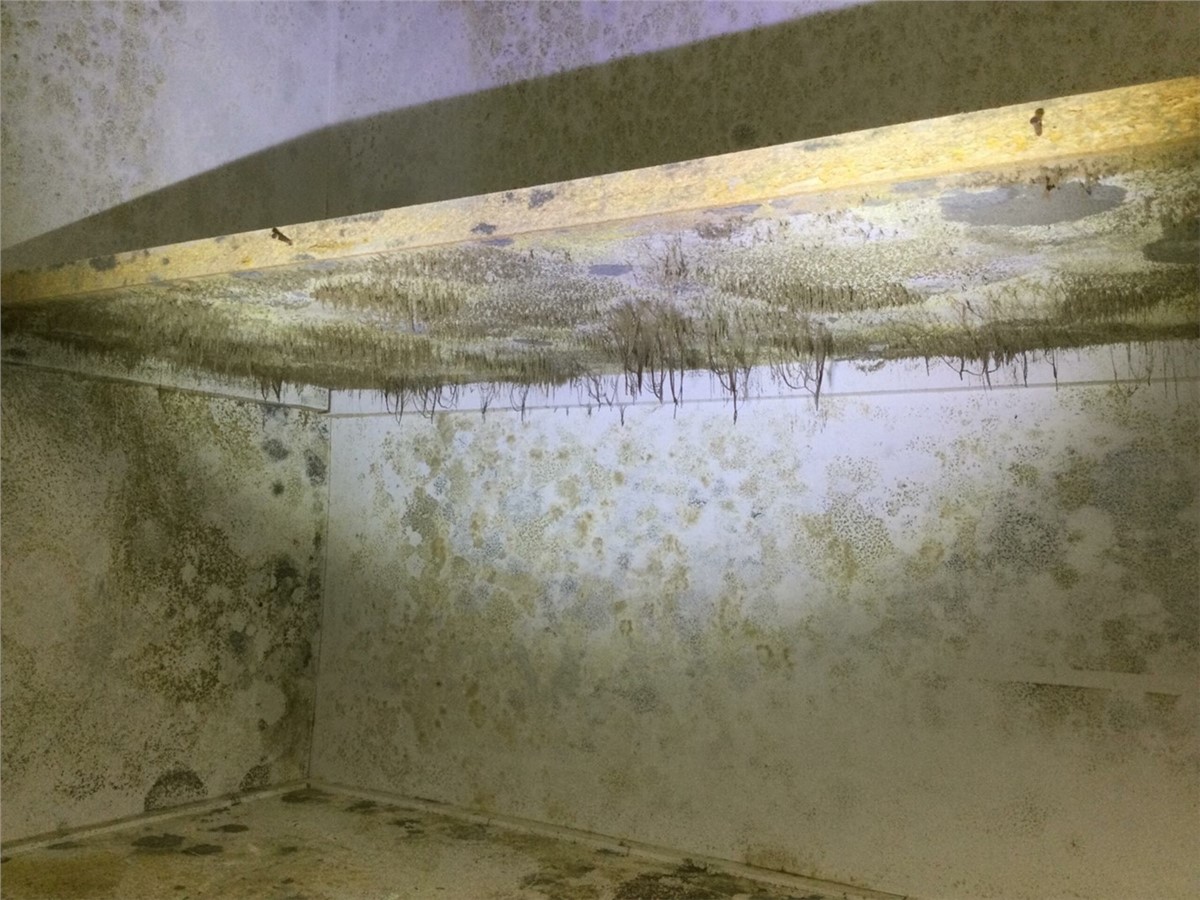
In fact, some of the most serious contamination happens behind walls, under flooring, or inside HVAC systems where you can't see it.
Testing before remediation helps answer several important questions.
1. You may not know how big the problem really is
One of the biggest mistakes homeowners make is what I call the “Tim Taylor DIY approach” — jumping in with bleach, fans, and demolition tools without understanding the full scope of contamination.
The rule of thumb many professionals use is:
If mold covers more than about 10 square feet, you should strongly consider hiring a professional remediation company.
But even a small visible patch can be misleading.
For example:
- Mold on drywall could extend inside the wall cavity
- Airborne spores may have spread to other rooms
- HVAC systems can distribute contamination throughout the home
Testing helps identify whether the mold issue is localized or widespread.
2. Mold testing identifies the species present
Not all mold is the same.
While many types are relatively harmless in small quantities, others may cause significant health concerns depending on the occupants of the home.
Testing can identify:
- The species of mold present
- The spore concentration
- Whether indoor levels are higher than normal outdoor levels
This information helps determine how aggressive the remediation process needs to be.
3. Testing creates documentation
If there is ever a situation involving:
- Insurance claims
- Real estate transactions
- Landlord / tenant disputes
- Potential legal issues
Proper documentation becomes extremely important.
A professional mold test provides a baseline record of the contamination before remediation begins.
If there is even a small chance the situation could involve the court system, it's also important to make sure the testing company is qualified and willing to testify if needed. Not every testing provider is.
4. Testing helps define the scope of remediation
Testing can also reveal contamination in areas you might not suspect.
For example:
A kitchen may show visible mold, but testing might reveal elevated spore levels in:
- Adjacent living rooms
- HVAC return vents
- Hallways
- Bedrooms nearby
Without testing, these areas might never be cleaned — allowing spores to remain in the home.
When Should You Test Before Mold Remediation?
Testing before cleanup is especially recommended when:
- You suspect mold but cannot see it
- The affected area is larger than 10 square feet
- You want to know what species is present
- Insurance may be involved
- There is any possibility of legal disputes
- You want documentation of the original contamination level
Testing helps eliminate guesswork and allows remediation to be done properly the first time.
Why Mold Testing After Remediation is Just as Important
Once mold remediation work is completed, many homeowners assume the job is finished.
But visual inspection alone cannot confirm whether the home is truly clean.
Mold spores are microscopic and can remain suspended in the air even after visible contamination is removed.
That’s why post-remediation verification testing is critical.
1. Visual inspection is not enough
A space can look perfectly clean but still contain elevated airborne mold spores.
Professional post-remediation testing usually involves air sampling, which measures airborne spore levels.
These samples are typically taken:
- In the cleaned area
- In nearby areas of the home
- Outside the home for comparison
In a successful remediation project, indoor spore levels should be similar to or lower than outdoor levels.
2. Post testing protects the homeowner
Post-remediation testing provides confirmation that the work was completed properly.
Without it, homeowners may later wonder:
“Did the remediation really fix the problem?”
More importantly, without verification testing, it becomes much harder to hold a remediation contractor responsible if problems appear later.
If testing was never performed, there is no proof of what the conditions were when the job was completed.
3. Testing must be done before containment comes down
A critical detail many homeowners don’t know:
Clearance testing should occur before containment barriers are removed.
Containment prevents mold spores from spreading to other parts of the house during cleanup.
If containment is removed before testing, spores may settle in adjacent areas and make it difficult to determine whether contamination came from the remediation process or from somewhere else.
4. Pre-testing protects both the contractor and the homeowner
Another reason pre-testing matters is responsibility.
For example:
If the kitchen was the only area tested before remediation but the living room was never tested, it can be difficult to determine whether spores in the living room existed before the project began.
Without baseline testing, it may be unfair to hold the remediation contractor responsible for areas that were never originally tested.
This is why testing before remediation helps define exactly what areas are affected.
Why Some People Skip Post-Remediation Testing
The most common reason homeowners skip clearance testing is simple:
Cost.
Professional mold testing can be expensive.
But so can health problems or repeat remediation if the cleanup wasn’t fully successful.
Testing provides peace of mind that the home is safe again.
Can the Same Company Perform Testing and Remediation?
In some states, the law requires that separate companies handle testing and remediation to avoid conflicts of interest.
In Tennessee, there is currently no law prohibiting the same company from performing both services.
At Innovative Home Services, we do offer both mold testing and remediation.
However, we believe in transparency.
When we perform testing, our customers sign a disclosure acknowledging that we also provide remediation services.
While we can perform post-remediation testing ourselves, we often recommend that homeowners hire an independent consultant for final verification.
Independent testing can provide an extra level of confidence that the work was completed properly.
What About Mold and Insurance Claims?
Mold coverage varies significantly between insurance policies.
Many policies in Tennessee:
- Do not cover mold remediation, or
- Only cover mold if it results from a covered loss.
For example, if a pipe burst while you were away and mold developed before the loss was discovered, it may still be covered because the original water damage was a covered event.
However, if mold developed slowly over time due to maintenance issues, insurance may deny coverage.
Before filing a claim, it's often wise to:
- Speak with your insurance agent
- Review your policy carefully
- Understand the deductible and coverage limits
Filing a claim that results in no payout can still affect your claim history, which may impact future premiums.
Mold testing in Crossville, Cookeville and the Cumberland Plateau
Homes throughout Crossville, Cookeville, Sparta, Livingston, and the surrounding Tennessee counties often deal with moisture conditions that can lead to mold growth.
Humidity, crawlspaces, plumbing leaks, and HVAC issues can all create conditions where mold thrives.
Proper testing and remediation help homeowners address these issues safely and completely.
Final thoughts from Josiah Kessie
Mold is not something you want to guess about.
Testing before remediation helps determine how serious the problem is, and testing after cleanup helps confirm that the problem was truly solved.
Both steps protect the homeowner, the contractor, and the health of everyone living in the home.
If you suspect mold in your home and want guidance on the right next steps, our team at Innovative Home Services is here to help.
We serve homeowners throughout Cumberland, Putnam, White, Fentress, Overton, Pickett, Jackson, Roane, and Knox counties.
Whether you need mold testing, remediation, or just honest advice, we’re always happy to help you make the right decision for your home.
Subscribe to Innovative Home Services's Blog


Comments